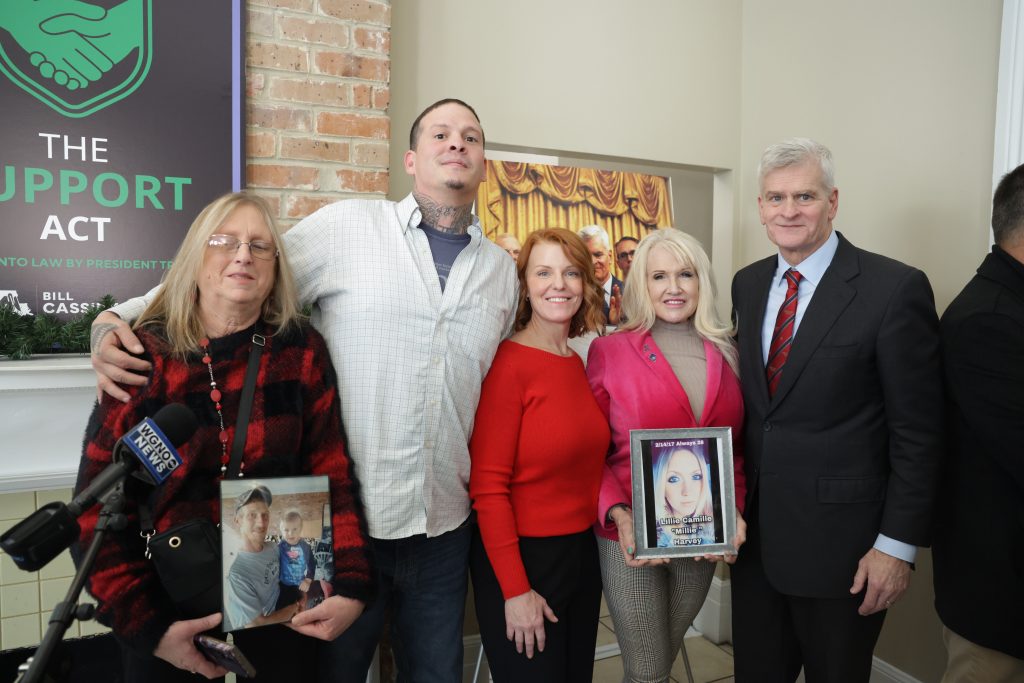
METAIRIE – U.S. Senator Bill Cassidy, M.D. (R-LA) today held an event to celebrate President Trump signing into law his SUPPORT Act, which bolsters prevention, treatment, and recovery services for Americans with substance use disorders and mental illness. The event also honored angel families who lost loved ones to fentanyl and was hosted by the Southeast Louisiana branch of the National Alliance on Mental Illness (NAMI).
“President Trump and I are combating the addiction and mental health crisis head on,” said Dr. Cassidy. “That’s why we worked together to sign the SUPPORT Act into law to give nurses, therapists, and first responders the resources they need to save lives.”
Since arriving in Congress, Cassidy has worked with President Trump to end the opioid crisis and improve access to mental health care.
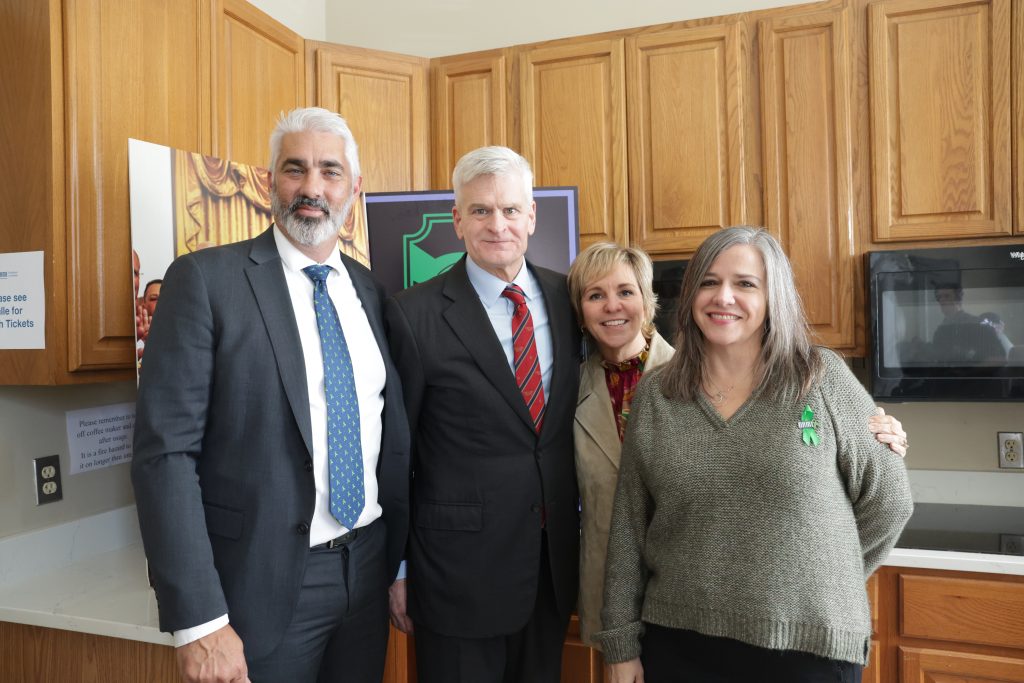
In addition to Cassidy’s SUPPORT Act, President Trump signed Cassidy’s HALT Fentanyl Act into law earlier this year. The bill gives law enforcement another tool to crack down on drug dealers by permanently scheduling fentanyl substances as Schedule I under the Controlled Substances Act. Cassidy joined Trump at the White House for the bill signing, and hosted his own event in Baton Rouge to honor those whose families have been affected by fentanyl overdoses.
At the event, angel families, people in recovery, and Washington Parish Sheriff Jason Smith shared their stories. Additionally, Nick Richard, the Executive Director of NAMI Southeast Louisiana, thanked Cassidy for supporting efforts to break the cycle of addiction and mental illness.
“On behalf of NAMI Southeast Louisiana, I want to thank Senator Cassidy for his leadership in championing the SUPPORT Act,” said Mr. Richard. “As we stand alongside survivors and families grieving unimaginable loss, this legislation gives us real hope; hope that people living with mental illness can get help sooner, that crises can be prevented, and that lives can be saved. Mental health affects every corner of our community, and we appreciate the Senator’s continued commitment to expanding timely, compassionate care for our community.”
###